

22/09/2026
Category: Cruises
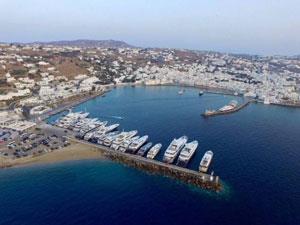
Greece is one of the world's most diverse destinations for a private yacht charter, with thousands of islands and islets, extensive coastlines, sheltered bays, traditional fishing villages and internationally recognised destinations. The country's official tourism organisation highlights the major cruising regions across the Cyclades, Saronic Gulf, Ionian Islands, Sporades, Dodecanese, Crete and the Peloponnese.
Choosing the best yacht charter route in Greece depends on more than simply selecting the islands you would like to visit. Your ideal itinerary should take into account the length of your charter, yacht type, cruising speed, weather conditions, desired activities and the balance between famous destinations and quieter anchorages.
For a week-long charter, one of the most practical approaches is to concentrate on one cruising region rather than trying to cover too much of Greece.
For longer charters, a motor yacht can make it possible to cover greater distances, while a catamaran or sailing yacht allows you to slow down and enjoy the journey itself.
There is no single route that is ideal for every traveller.
A couple looking for secluded beaches and romantic sunsets may prefer a different itinerary from a family wanting calm waters and short passages. Guests interested in nightlife may prioritise Mykonos, while travellers looking for traditional villages, gastronomy and history may prefer Hydra, Spetses, Paros, Naxos or the Ionian Islands.
Three of the most popular cruising concepts are:
Best for: 5–7 days, families, relaxed cruising, history and short passages.
Typical route:
Athens → Aegina → Poros → Hydra → Spetses → Athens
Best for: 7–14 days, iconic Greek scenery, island hopping and cosmopolitan destinations.
Typical route:
Athens → Kea → Kythnos → Syros → Mykonos → Paros → Antiparos → Naxos
Best for: 7–14 days, families, swimming, green landscapes and sheltered waters.
Typical route:
Lefkada → Meganisi → Kalamos → Kastos → Ithaca → Kefalonia → Zakynthos
These routes should be treated as examples rather than fixed schedules. A professional skipper or captain should adapt the itinerary according to the yacht, weather and sea conditions.
For travellers with approximately one week available, the Saronic Gulf is one of the most convenient areas to explore from Athens.
The route combines islands, historical sites, traditional waterfront towns, beaches and sheltered cruising areas without requiring the long passages associated with some Cycladic itineraries.
Aegina is one of the closest major islands to Athens and combines beaches, traditional villages, archaeological attractions and local gastronomy. Visit Greece describes it as the largest island in the Argo-Saronic Gulf and notes its clean seas, cultural heritage and famous pistachios.
A yacht charter can use Aegina as the first stop after departing from the Athens area.
Poros offers a distinctly green landscape, with pine-covered hills descending towards turquoise waters. Its waterfront town, neoclassical architecture and picturesque harbour make it particularly attractive when arriving by yacht.
The island is also geographically convenient for combining with the Peloponnese coastline.
Hydra is one of the signature destinations of the Saronic Gulf.
The island is famous for its stone-built harbour town and car-free character. Visit Greece describes Hydra as an island with a strong maritime heritage, cosmopolitan atmosphere and distinctive architecture.
Arriving by private yacht provides an especially memorable approach to the harbour.
Spend the afternoon exploring the town, enjoying a waterfront dinner or swimming from one of the island's coastal spots.
Continue towards Spetses for another evening surrounded by traditional architecture, waterfront restaurants and a strong maritime atmosphere.
From here, your yacht can return towards Athens or continue along the Peloponnese depending on the duration of your charter.
This route is particularly suitable when you want:
Visit Greece also identifies the Athens Riviera and Saronic Gulf as an accessible coastal escape from the capital.
For travellers who want the classic blue-and-white Greek island experience, the Cyclades are an obvious choice.
The official Visit Greece destination guide describes the Cyclades as Greece's most famous island complex, including destinations such as Kea, Kythnos, Syros, Mykonos, Paros, Antiparos, Naxos, Milos and Santorini.
However, the Cyclades are extensive. Trying to combine too many islands into a seven-day charter can turn a relaxing holiday into a schedule dominated by cruising.
Athens → Kea → Kythnos → Syros → Mykonos → Paros → Antiparos → Athens
This route can be adapted depending on the yacht and weather.
Kea is one of the closest Cycladic islands to Attica and can provide a natural transition from Athens into the Aegean.
Kythnos offers a more authentic atmosphere and is known for its thermal springs and traditional Cycladic character.
Syros is different from many of its Cycladic neighbours. Its capital, Ermoupoli, combines elegant architecture and a cosmopolitan atmosphere and can provide a cultural highlight during the charter.
Mykonos offers a combination of beaches, restaurants, nightlife, boutiques and iconic Cycladic architecture.
A motor yacht charter can give guests the flexibility to spend the day at a quieter anchorage before arriving in Mykonos for dinner or an evening ashore.
Paros and neighbouring Antiparos can provide a more relaxed alternative to the busiest destinations.
The region combines beaches, villages, restaurants and attractive anchorages and can be particularly appealing for families and groups of friends.
Naxos is the largest and most fertile island in the Cyclades and offers a broader range of landscapes and experiences than many smaller islands. Visit Greece highlights its diverse attractions as part of the Cycladic island group.
If your priority is turquoise water, lush landscapes, secluded coves and relaxed island hopping, consider the Ionian Islands.
The official Visit Greece guide describes the Ionian Islands as particularly green, with rugged coastlines, famous beaches and destinations including Corfu, Paxos, Antipaxos, Lefkada, Kefalonia, Ithaca and Zakynthos.
Meganisi is especially interesting for yacht travellers because of its indented coastline, caves, small beaches and nearby islets.
Visit Greece notes that the distances between Meganisi and neighbouring islands such as Kalamos and Kastos are short, making day cruises practical. It also highlights the area's generally calm and sheltered waters.
These smaller islands provide an opportunity to step away from the more famous Greek destinations.
Expect quiet beaches, small tavernas and clear water rather than large resorts.
Ithaca is associated with the ancient story of Odysseus and provides a combination of mythology, traditional villages and beautiful coastline.
Kefalonia is the largest of the Ionian Islands and offers spectacular scenery, including Myrtos Beach and the Melissani lake-cave.
For a longer Ionian itinerary, continue towards Zakynthos, famous for its Blue Caves and dramatic coastline. Visit Greece also highlights the island's Marine Park and its importance for loggerhead turtles.
A motor yacht is particularly suitable for guests who want to cover more ground during their holiday.
Because a motor yacht generally travels faster than a sailing yacht or catamaran under sail, it can make longer-distance itineraries more practical.
This can be useful if your wish list includes destinations that are relatively far apart.
For example, a motor yacht can make it easier to combine Athens, Mykonos and Paros within a longer itinerary, subject to the yacht's cruising range and weather.
A catamaran charter in Greece offers a different style of holiday.
The two-hull design provides generous outdoor space and, depending on the model, comfortable cabins and living areas. Catamarans are particularly popular for families and groups who want to spend significant time swimming, relaxing and dining outdoors.
The Ionian Islands and sheltered Saronic Gulf can be particularly attractive for catamaran itineraries.
Visit Greece's sailing material notes that a one-week sailing itinerary from Athens can comfortably focus on the Argosaronic Islands and Peloponnese, while northern Cyclades destinations such as Kythnos, Serifos, Syros and Kea are closer to Athens.
Instead of focusing exclusively on how quickly you can reach the next destination, sailing allows the journey to become part of the holiday.
The Aegean is particularly associated with sailing, while the Ionian and Saronic regions can offer attractive alternatives depending on the itinerary and conditions.
Greece's official tourism material has long promoted sailing, yachting tourism, marinas, anchorages and maritime routes across the country's major island groups.
A skipper can adapt the daily route according to wind and sea conditions, which means the final itinerary may naturally evolve during the charter.
| Yacht type | Best suited to | Main advantage |
|---|---|---|
| Motor Yacht | Luxury island hopping & longer distances | Speed and comfort |
| Catamaran | Families & groups | Space, stability and outdoor living |
| Sailing Yacht | Sailing enthusiasts & relaxed travel | Authentic sailing experience |
The choice should ultimately be based on how you want to experience Greece, rather than simply the number of destinations you want to visit.
If you have only one week, I would structure the choice around three different experiences rather than trying to create one universal route.
Athens → Aegina → Poros → Hydra → Spetses → Athens
Ideal for a relaxed week with shorter passages, historical interest and beautiful harbour towns.
Athens → Kea → Kythnos → Syros → Mykonos → Paros/Antiparos → Athens
Ideal for guests who want the classic Cycladic landscape and a mixture of cosmopolitan and traditional destinations.
Lefkada → Meganisi → Kastos/Kalamos → Ithaca → Kefalonia → Lefkada
Ideal for guests prioritising clear water, green landscapes, secluded bays and relaxed cruising.
The right route depends on the yacht, charter dates, weather, starting port and desired pace.
With two weeks available, there is considerably more flexibility.
A longer motor yacht charter can explore a larger section of the Cyclades, while a sailing yacht or catamaran can concentrate on a smaller region and allow more time at anchor.
One possible Cyclades itinerary could include:
Athens → Kea → Kythnos → Syros → Mykonos → Paros → Antiparos → Naxos → Ios → Milos → Kythnos → Athens
However, a professional charter company should adjust the route rather than treating this as a fixed itinerary. Wind conditions in the Aegean can have a significant influence on sailing plans.
The most memorable Greek yacht holidays are not necessarily those that visit the greatest number of islands.
A successful itinerary might mean waking up in a secluded bay, swimming before breakfast, cruising to a traditional village for lunch, spending the afternoon at anchor and arriving at a lively island port for dinner.
Another day might involve no major destination at all—just clear water, a quiet cove and time aboard the yacht.
That flexibility is one of the principal advantages of a private charter.
The Greek yachting season extends across much of the warmer part of the year, with the exact conditions varying between regions and months.
For a charter itinerary, the best dates depend on whether your priority is:
The Aegean and Ionian should not be treated as identical cruising environments. Your captain or charter specialist can recommend the most appropriate region for your travel dates.
Whether you choose a luxury motor yacht, private catamaran or sailing yacht, Greece offers an extraordinary variety of routes.
From the historic islands of the Saronic Gulf to the whitewashed villages of the Cyclades and the green landscapes of the Ionian Islands, your itinerary can be tailored around your interests, cruising style and available time.
The key is to choose a route that gives you enough time to enjoy each destination rather than simply collecting islands on a map.
Start with your preferred yacht type, charter duration and starting point. From there, a personalised route can be created around the islands, beaches, restaurants, cultural sites and anchorages you most want to experience.

Oficina principal en Grecia:
Avenida Posidonos 67, 16675, GlIfada
Atenas – Grecia
Tel. +30-210-968.0486/7
Fax. +30-210-968.0488
Email: info@alphayachtng.com
Sucursal en los EEUU:
3036 N. Atlantic Blvd
Ft. Lauderdale, FL 33308
Tel. 1-954 234 2203
Email: info@alphayachtng.com


 FAVORITES
 REVIEWS
 FAQS
FAQS