

27/06/2026
Category: Yacht charters
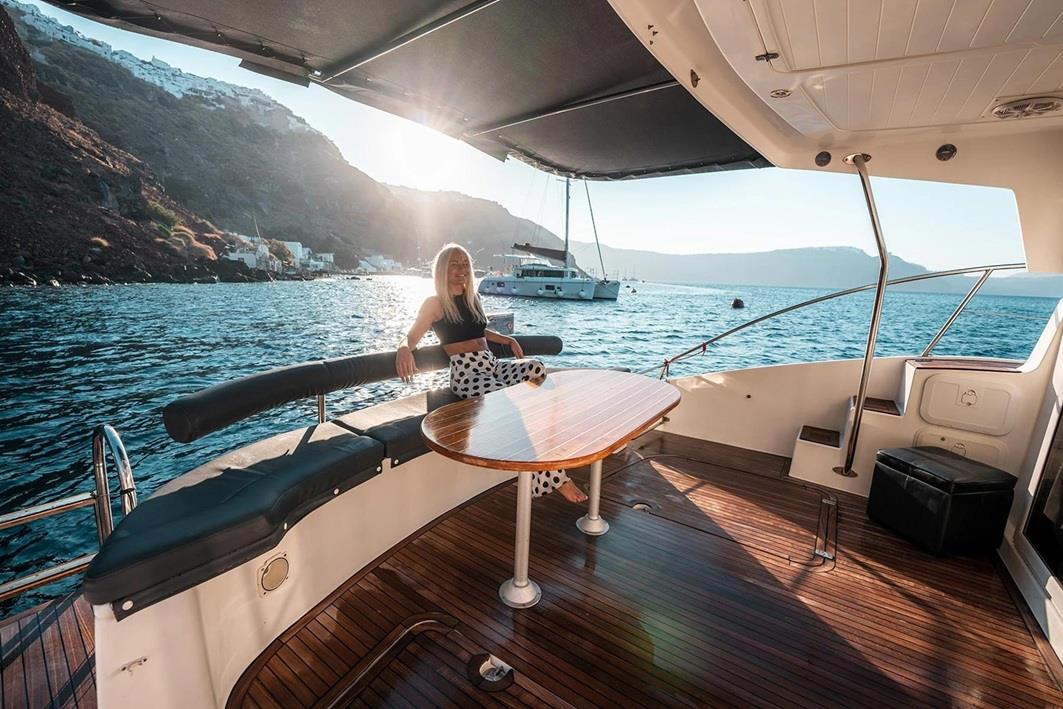
There is a particular kind of freedom that comes with sailing the Greek islands, waking up in a quiet bay, swimming off the back of the boat before breakfast, and deciding over coffee which island to head to next. No fixed schedule, no crowded tour groups. Just you, the sea, and an embarrassment of beautiful destinations.
If you have never chartered a yacht before, the process can feel daunting at first. What type of boat? Which islands? How much does it really cost? This guide answers all of that, and helps you arrive at your first charter feeling prepared and excited, not overwhelmed.
Greece is one of those rare destinations that rewards sailors at every level of experience. The sailing season runs from May through October, the waters are generally calm and well-charted, and the islands are close enough together that you cover meaningful ground without long overnight passages.
Beyond the practicalities, the variety is remarkable. You can spend a morning at a Minoan archaeological site, anchor in a turquoise cove by afternoon, and have dinner at a taverna on a whitewashed harbor by evening, all within a single day's sailing. Few places in the world offer that kind of density of experience.
This is where most first-timers feel uncertain, and understandably so. The short answer is: match the boat to your group, not your ego.
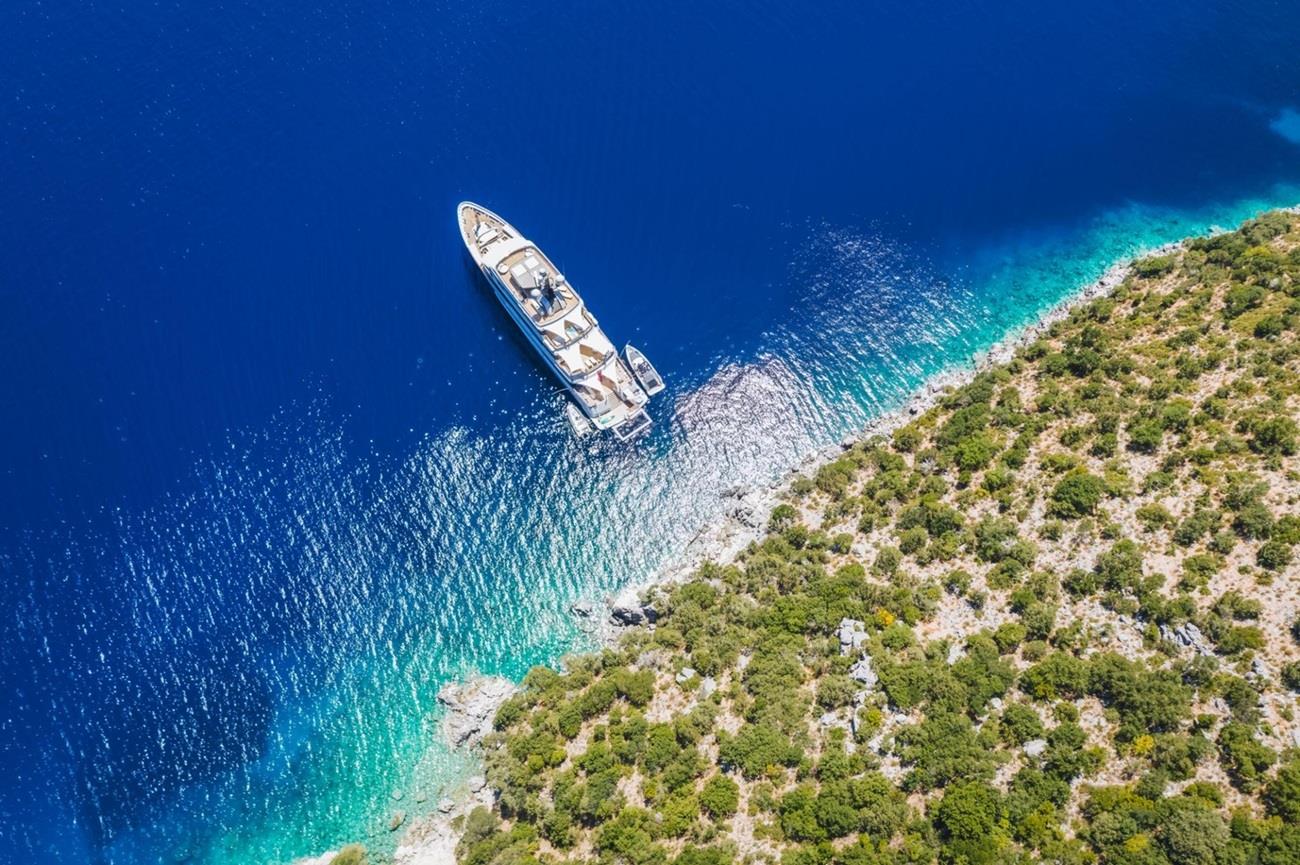
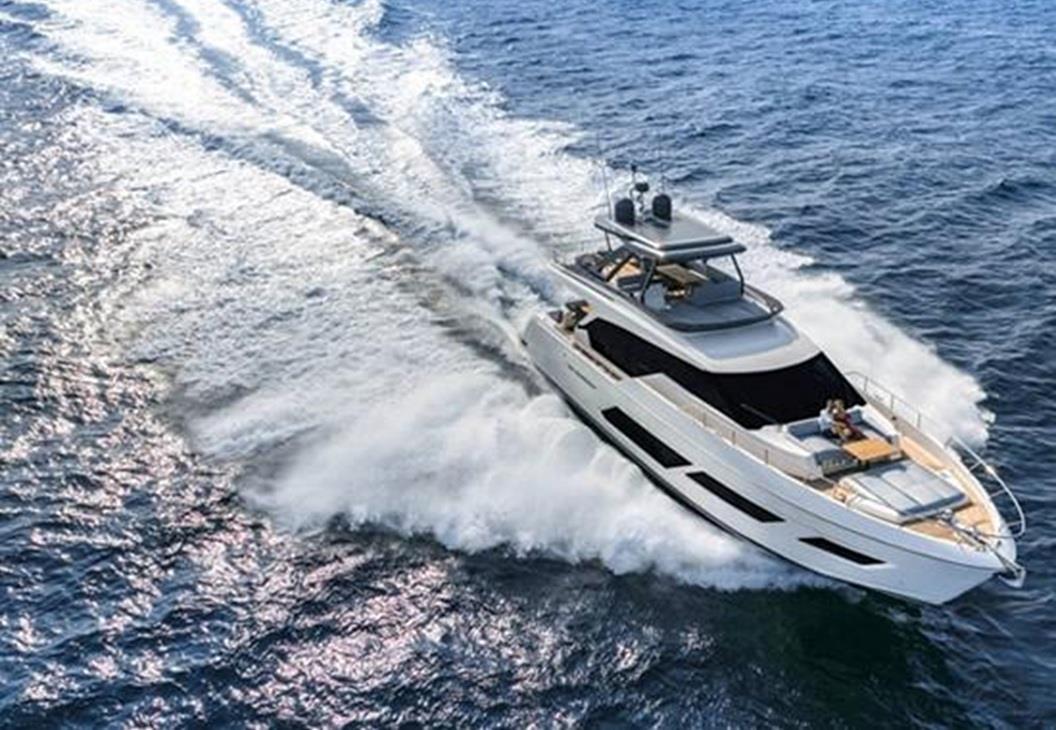
Fast, luxurious, and ideal if covering distance is a priority. You will visit more islands in the same time, and the onboard amenities tend to be more hotel-like. The trade-off is fuel cost, which adds up quickly.
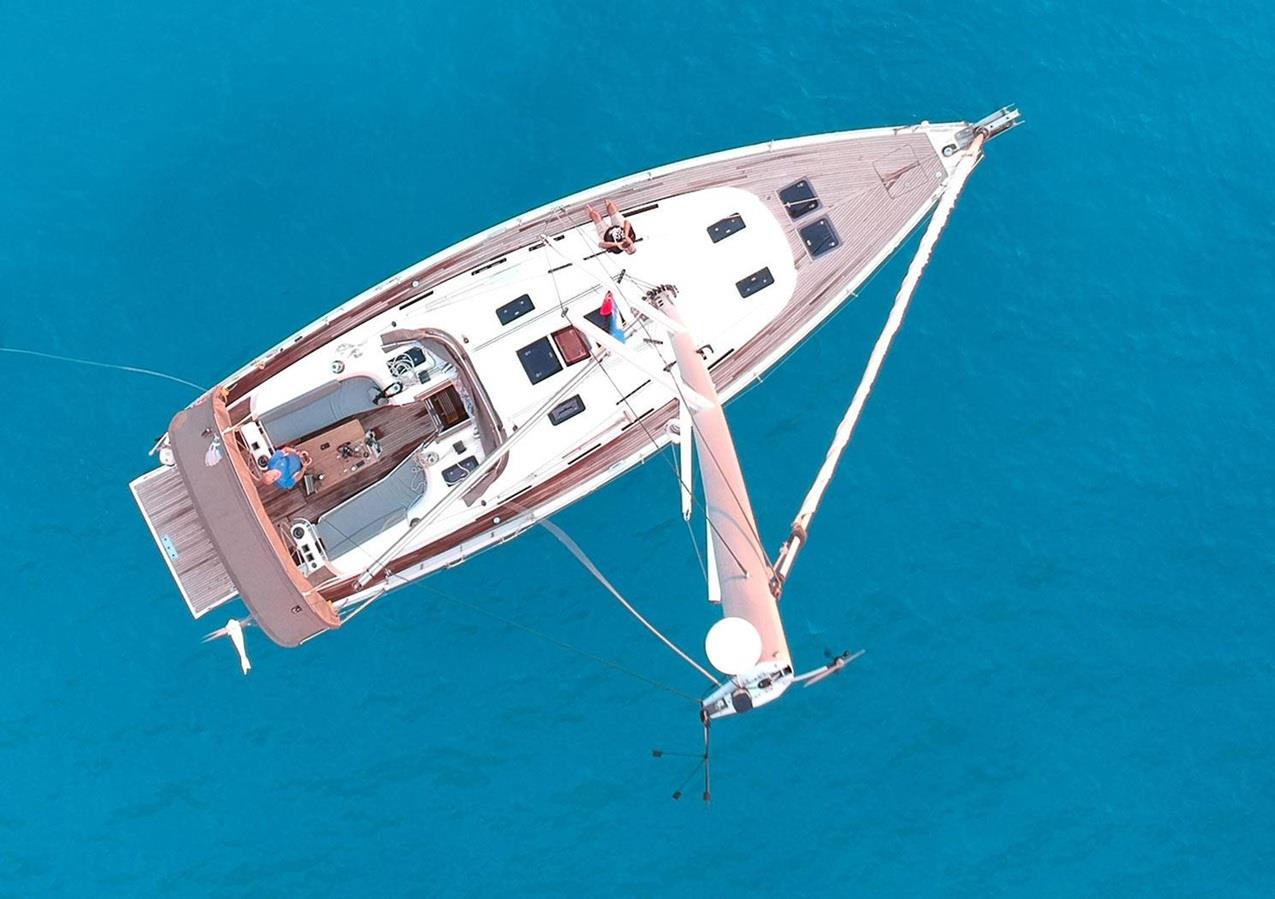
The classic choice. Slower and more dependent on wind conditions, but there is something genuinely magical about sailing through the Aegean under full canvas. These are usually the most cost-effective option too.
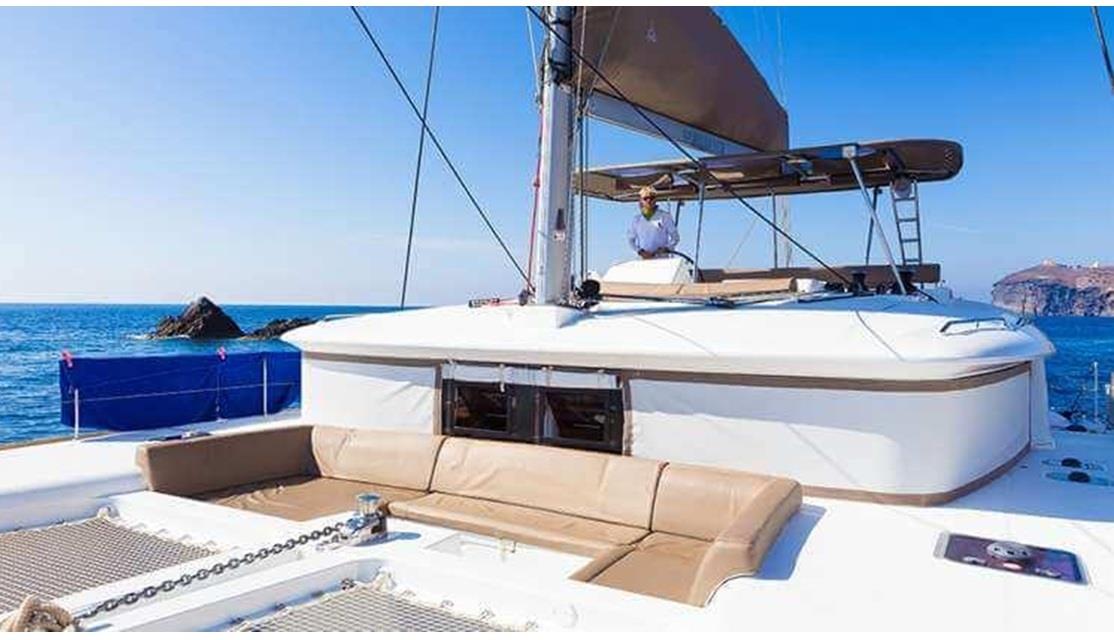
Increasingly popular, especially with families. The wide deck, stability, and multiple cabins make them comfortable for groups who want space. They do not point as well into the wind as monohulls, but in the Greek islands that rarely matters.
A hybrid option — part sailing yacht, part motor yacht. Good for those who want the character of a traditional vessel with the flexibility of an engine when the wind drops.
If this is your first charter, a catamaran or a medium-sized sailing yacht (40–50 feet) is usually the sweet spot for groups of four to eight people.
A crewed charter means the boat comes fully staffed, captain, chef, and sometimes additional crew. Everything is taken care of: navigation, meals, provisioning. It is closer to a floating boutique hotel than a sailing holiday, and it is priced accordingly.
A skippered charter gives you a professional captain for navigation and boat handling, while you handle the social side, organizing your own meals, going ashore for dinner, deciding the day's plan. It is a more interactive experience and considerably more affordable.
For complete first-timers who want to relax fully, a crewed charter is hard to beat. For those who want to be more involved in the adventure, a skippered charter strikes the right balance.
The Greek season spans May to October, and the timing matters more than people realize.
If flexibility allows, aim for June or September. You will get good weather, manageable winds, and the islands will feel like they still belong to the locals.
Greece's sailing regions each have a distinct personality. Here is a brief honest assessment of each:
Iconic for good reason, Santorini, Mykonos, Paros, Naxos. Dramatic landscapes, excellent restaurants, and a lively atmosphere. The meltemi blows reliably here in summer, which makes for exhilarating sailing but can also mean days spent sheltering in harbor. Best suited to experienced sailors in July and August; ideal for everyone in June and September.
Corfu, Kefalonia, Lefkada, Ithaca. The western islands are greener, calmer, and gentler than the Cyclades. Winds are lighter and more predictable. Often recommended as the best starting point for first-time charterers.
Closest to Athens, making it easy to reach and depart. Islands like Hydra, Spetses, and Aegina are charming and accessible. Ideal for shorter charters of five to seven days.
Rhodes, Kos, Patmos, and smaller islands scattered towards Turkey. Less visited than the Cyclades, with a strong historical character. Good for those who want to feel genuinely off the beaten path.
A good itinerary is not a rigid schedule, it is a framework that gives your charter shape while leaving room to linger somewhere wonderful or skip something that does not appeal.
The general principle is: do less than you think you should. First-time charterers almost always pack too many islands into their plans and end up spending more time motoring between them than actually enjoying each one. Three or four islands in a week is usually plenty.
A good charter company, one with real knowledge of the region, will help you build a route based on your pace, your group's interests, and the likely conditions for your travel dates. That advice is genuinely valuable, and it is one of the reasons working with an experienced operator like Alpha Yachting makes a real difference for first-timers.
Build in at least one full day at anchor with no plans. Those are often the days people remember most.
Yacht charter pricing has a reputation for hidden costs, which is sometimes deserved. Here is how to think about it clearly.
The base charter fee covers the boat itself. On top of that, you will typically pay for:
Many crewed charters use an Advance Provisioning Allowance (APA), essentially a running expenses account, usually 20–30% of the charter fee, from which fuel, provisioning, and port dues are drawn. Any unspent portion is returned to you at the end.
Ask your charter company for a clear breakdown before you book. Reputable operators are transparent about this; vague answers to direct questions about costs are a warning sign.
Space is limited, and soft bags are essential — they can be compressed and stowed in ways that rigid suitcases simply cannot. Beyond that, the kit list is simpler than you might expect:
Leave the formal wear at home. Life on a yacht is casual. Smart-casual covers every situation you will encounter.
The hardest part of planning a yacht charter in Greece is talking yourself into doing it. Once you are on the water, everything else tends to take care of itself.
What makes the experience so enduring is not any single island or anchorage, it is the pace of it. The way time works differently at sea. The small decisions that become the best parts of the trip: the bay you anchored in on a whim, the taverna someone spotted from the boat, the evening you just stayed on deck and watched the stars.
Start with a good charter company, be honest about what your group actually wants, and build in space for the unexpected. The rest will follow.
Alpha Yachting has been organizing crewed and skippered charters across the Greek islands and the wider Mediterranean for over 35 years. Their fleet covers everything from compact sailing yachts to large crewed motor yachts, with a team that can advise on routes, seasons, and logistics from first enquiry through to arrival.

Main offices in Greece:
67 Posidonos Ave, 16674, Glyfada
2B Esperidon Sq., 16674, Glyfada
POBox 358
Athens - Greece
Tel. +30-210-968-0486
Mobile: +306974788888
WhatsUp: +306974788888
Viber: +306974788888
Email: info@alphayachting.com
Branch office in USA:
5497 Wiles Road, Suite 202
Coconut Creek, FL 33073
Tel. +1-954-234-2203
Email: info@alphayachting.com


 FAVORITES
 REVIEWS ALPHA YACHTING CHARTERS
 FAQS
FAQS