

06/10/2026
Category: Cruises
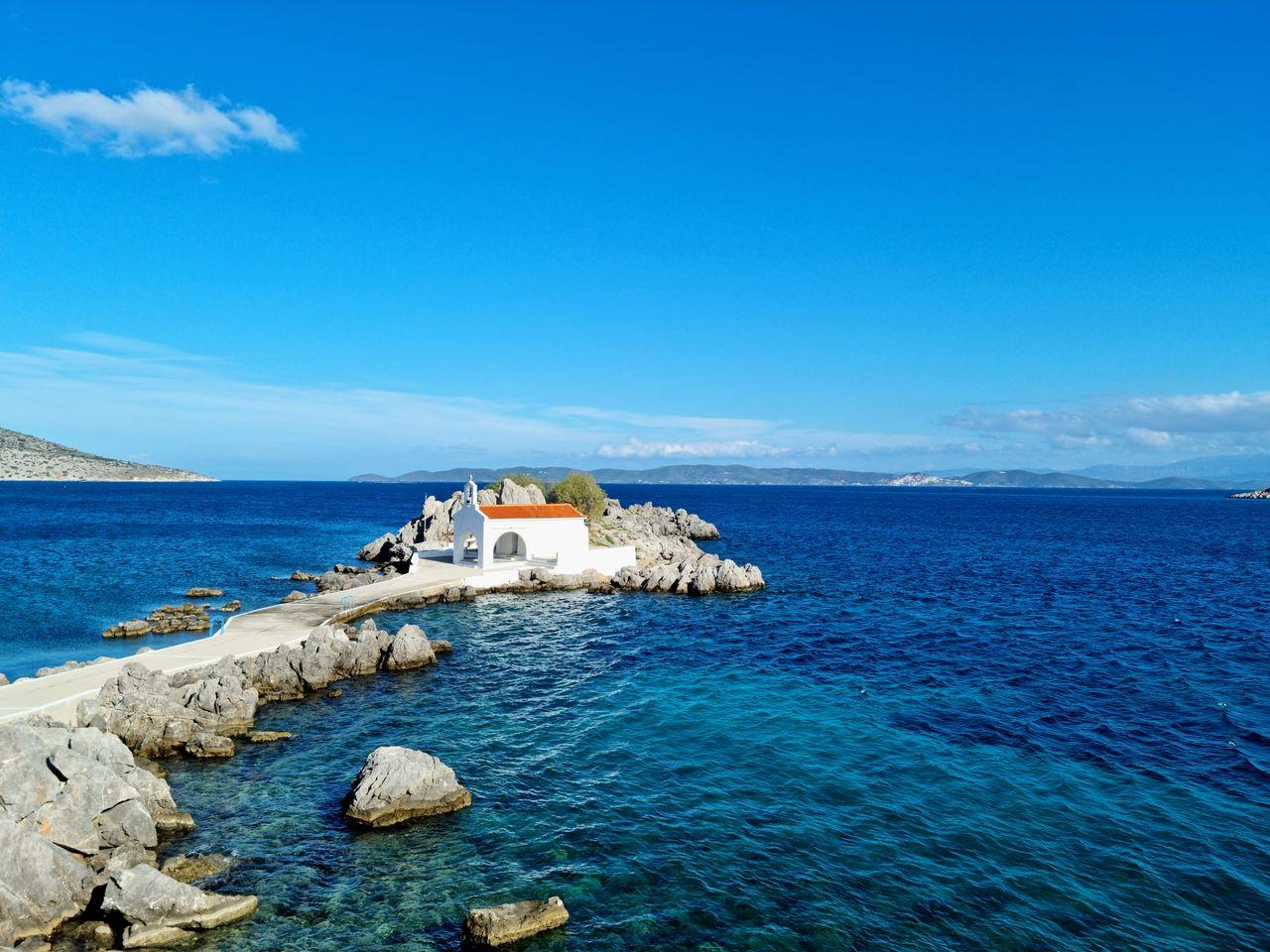

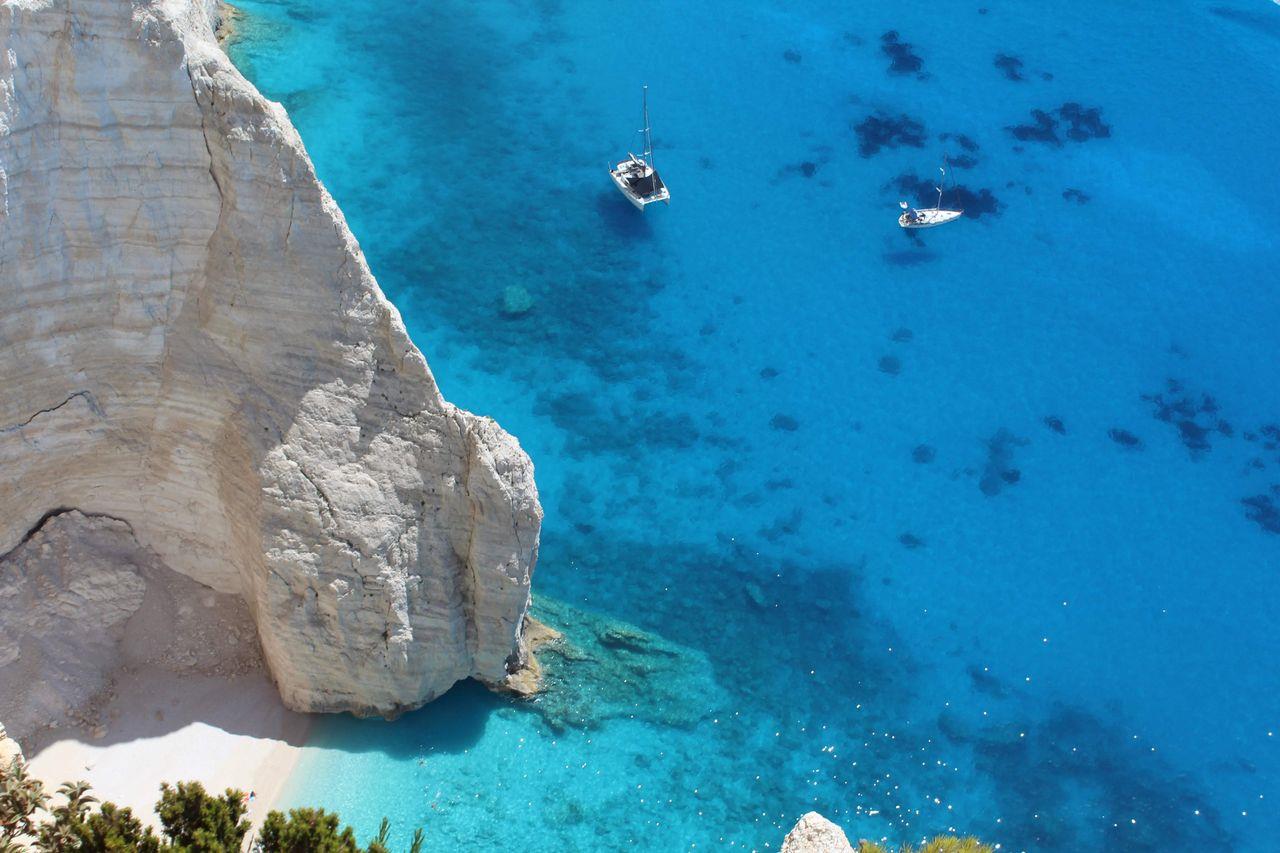
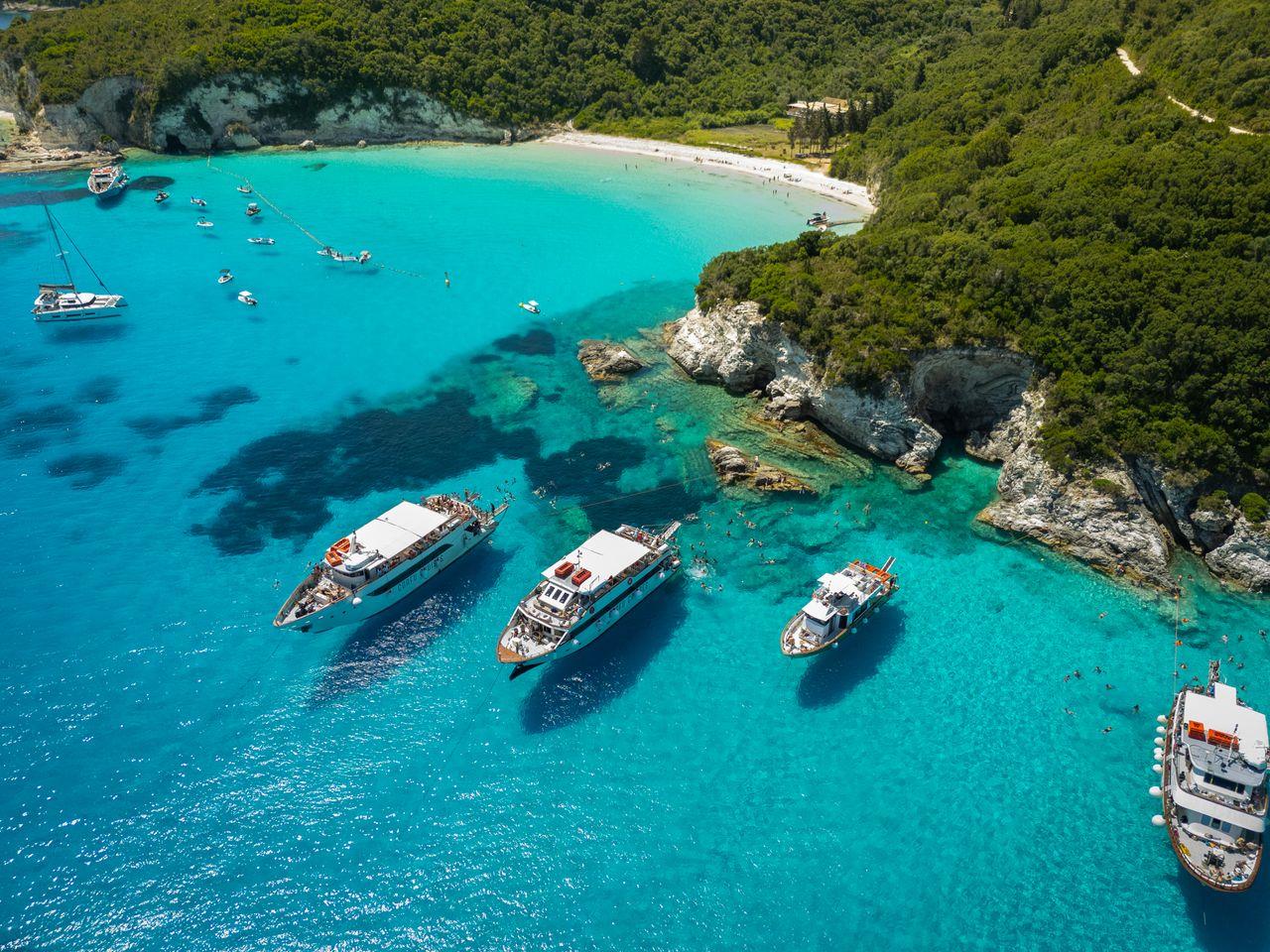

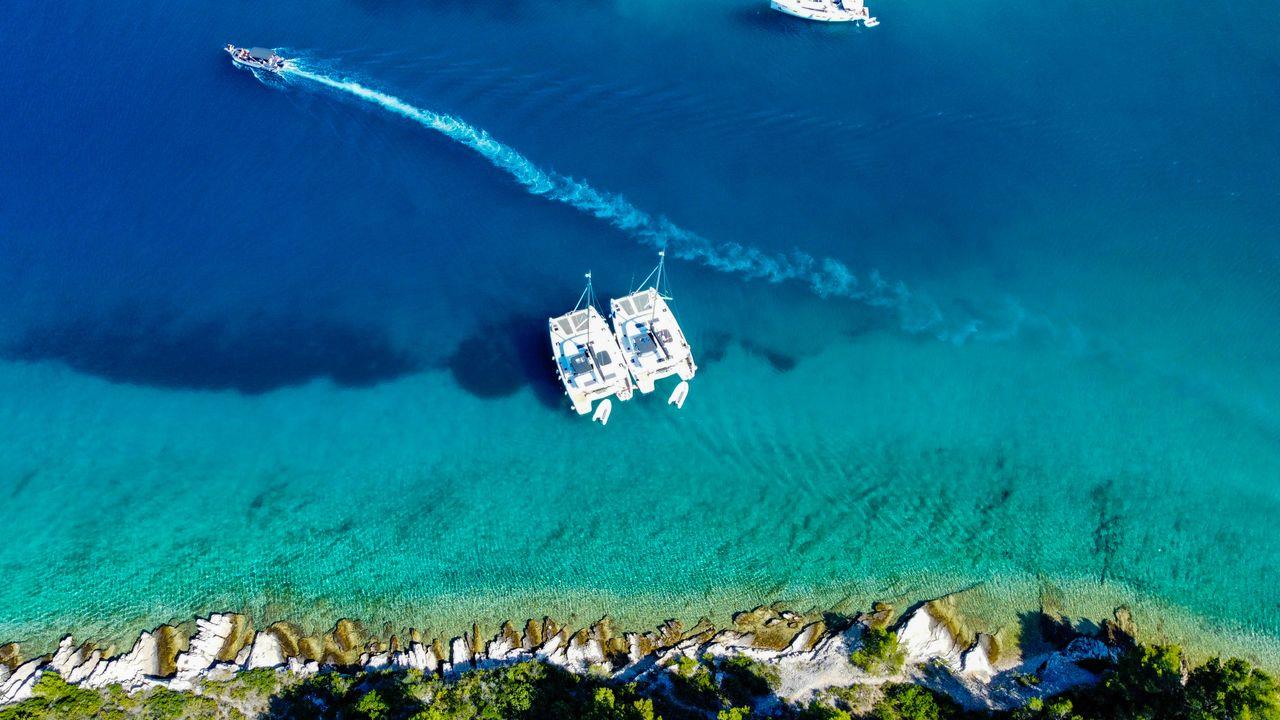
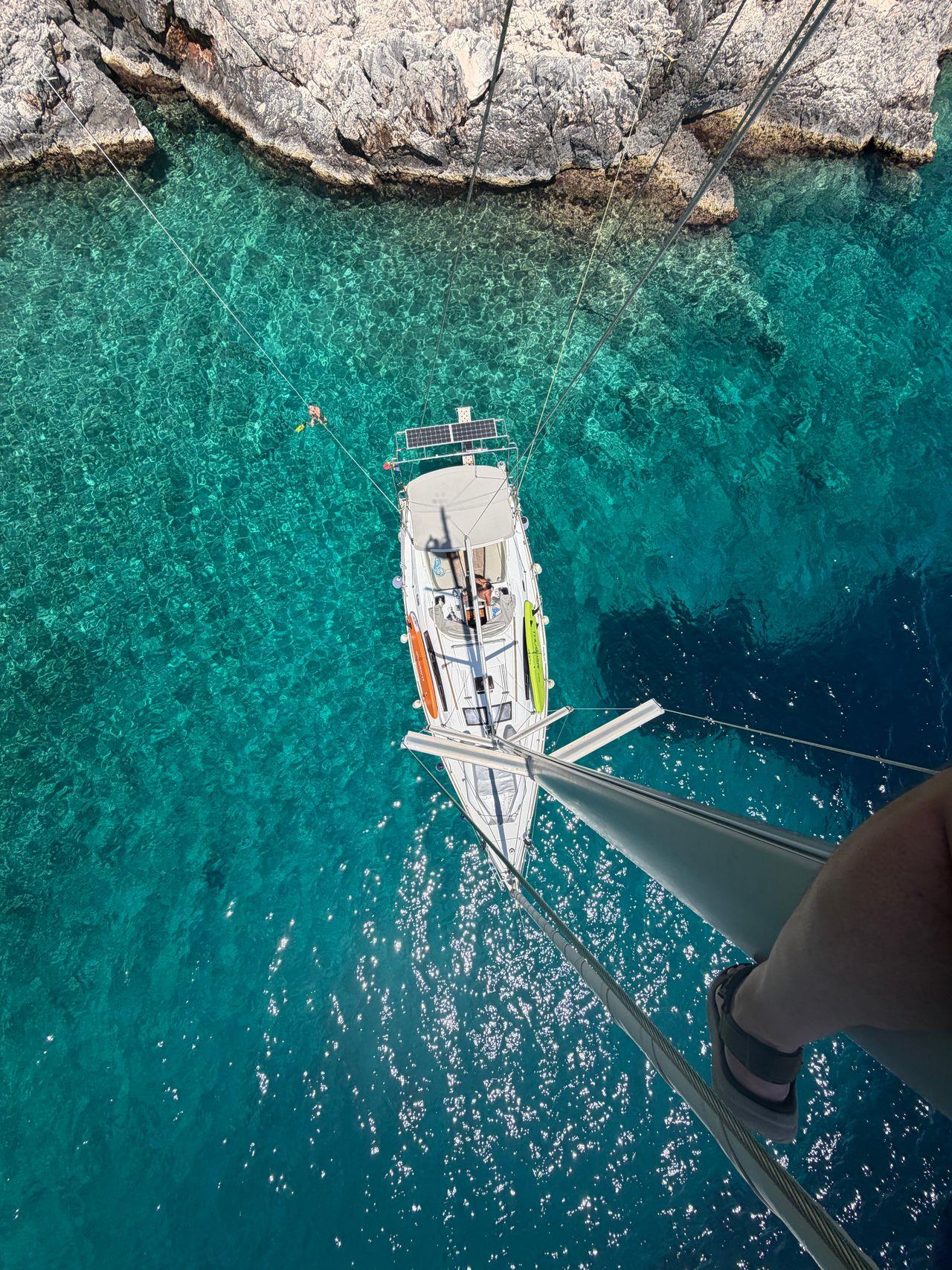
Renting a yacht in Greece can turn a holiday into an unforgettable experience. Instead of following a fixed itinerary, you can explore secluded bays, swim in crystal-clear waters, visit charming island villages, enjoy fresh Greek cuisine by the sea, and wake up somewhere new each morning.
However, if you have never chartered a yacht before, the process can initially seem complicated. There are different types of yachts, cruising areas, charter arrangements, itineraries, crew options, contracts, deposits, provisioning requirements, and departure procedures to consider.
The good news is that renting a yacht in Greece does not have to be difficult.
With the right yacht charter company helping you through the process, your journey can be straightforward from the first enquiry to the moment you leave the marina.
In this guide, we explain how to rent a yacht in Greece step by step, including what information you should provide when making an enquiry, how to choose the right yacht, what happens after booking, what to expect before departure, and how your Greek sailing holiday begins.
1. Start by Deciding What Kind of Greek Yacht Holiday You Want
Before contacting a yacht charter company, it helps to think about the type of holiday you have in mind.
Greece offers an enormous variety of sailing destinations, and your preferred experience will influence the yacht, itinerary, duration, and departure marina that are most suitable.
You might want:
There is no single "best" Greek sailing itinerary. The right choice depends on what you want to experience.
For example, the Cyclades are famous for their beautiful islands, traditional architecture, beaches, and distinctive Aegean atmosphere. The Ionian Islands are known for greener landscapes, sheltered waters, picturesque villages, and a generally relaxed cruising environment.
Other popular areas include the Saronic Gulf, Dodecanese, Sporades, and the islands around Crete.
Your charter specialist can help match your expectations with the most appropriate cruising region.
2. Choose Your Travel Dates
The next step is deciding when you would like to charter the yacht.
The Greek sailing season generally extends across much of the warmer part of the year, but conditions, availability, prices, and the overall atmosphere vary significantly depending on the month.
July and August are traditionally among the busiest months, particularly around the most popular islands. If you prefer a quieter experience, travelling outside the peak summer period may offer a different and more relaxed atmosphere.
When making your enquiry, provide:
Flexibility can sometimes be valuable. If your dates are not fixed, your charter company may be able to suggest alternative dates or yachts that provide better availability.
For popular yachts and peak-season travel, it is advisable to enquire well in advance.
3. Decide How Many People Will Be Travelling
The size and composition of your group are important when selecting a yacht.
Tell your charter company exactly how many guests will be travelling and, where relevant, provide information such as:
A yacht may technically accommodate a certain number of guests, but that does not necessarily mean it will provide the ideal experience for your group.
For example, a couple may prioritise a spacious master cabin and privacy, while a family may prefer multiple cabins with easy access to common areas.
For larger groups, the layout of the yacht can be just as important as the number of berths.
4. Send an Enquiry to a Yacht Charter Company
Once you know your approximate dates, group size, and preferred type of holiday, you can submit an enquiry.
A good yacht charter enquiry does not have to be complicated.
You can provide:
Dates:
Your preferred charter period.
Guests:
The total number of people travelling.
Preferred area:
For example, Cyclades, Ionian Islands, Saronic Gulf, or another Greek sailing destination.
Yacht preference:
Motor yacht, sailing yacht, catamaran, or simply "open to recommendations."
Budget:
An approximate budget can help your charter specialist recommend realistic options.
Experience:
Whether you have chartered a yacht before or this will be your first time.
Special requests:
For example, a chef, additional water toys, particular cabin requirements, or a special occasion.
The more useful information you provide, the easier it is for the charter company to create appropriate options.
5. Discuss Your Requirements With the Charter Specialist
After receiving your enquiry, the next stage is usually a conversation with the charter specialist.
This is an important part of the process because the best yacht is not necessarily the newest, largest, or most expensive yacht.
It is the yacht that fits your holiday.
Your charter specialist may ask questions such as:
This conversation allows the charter company to understand what matters most to you.
6. Select the Right Type of Yacht
Greece offers several types of charter yachts, and each provides a different experience.
Sailing Yachts
Sailing yachts are ideal for guests who enjoy the traditional sailing experience.
They allow you to experience Greece from the water at a slower and more immersive pace. Depending on the yacht and itinerary, you may enjoy a combination of sailing, swimming stops, island visits, and evenings in harbours or anchorages.
Catamarans
Catamarans are particularly popular with families and groups because they often provide spacious living areas, multiple cabins, outdoor spaces, and good stability.
Their wide layout can make them comfortable for longer periods aboard.
Motor Yachts
Motor yachts are designed for guests who want to cover greater distances and spend more time visiting different destinations.
They can be particularly suitable for travellers who want a luxury experience combined with extensive island exploration.
Luxury Crewed Yachts
For those seeking a highly personalised experience, a crewed yacht can provide an exceptional level of service.
Depending on the yacht, the crew may include a captain, chef, stewardesses, deck crew, or other specialised personnel.
The crew handles the operation of the yacht, allowing guests to focus on enjoying the journey.
7. Compare Yacht Options Carefully
Once your charter specialist has identified suitable yachts, you may receive several options.
Do not compare yachts based only on the headline weekly price.
Consider the complete charter experience.
Important factors include:
Two yachts with similar weekly rates can have very different total costs once additional expenses and services are considered.
Your charter specialist should explain what is included and what is charged separately.
8. Choose Your Sailing Area and Itinerary
Choosing where to sail is one of the most exciting parts of planning your Greek yacht charter.
You can either request a specific itinerary or allow your charter specialist and captain to recommend a route.
Cyclades
The Cyclades offer some of the most recognisable scenery in Greece.
Whitewashed villages, blue-domed churches, dramatic coastlines, beaches, archaeological sites, and lively island towns make this region particularly attractive.
Popular destinations can include Mykonos, Paros, Antiparos, Naxos, Milos, Sifnos, Serifos, and surrounding islands.
Ionian Islands
The Ionian Islands offer a different character.
The landscape is generally greener, the waters are often sheltered, and the islands provide a combination of beautiful beaches, traditional villages, historic towns, and relaxed coastal restaurants.
Corfu, Paxos, Antipaxos, Lefkada, Meganisi, Ithaca, and Kefalonia are among the destinations commonly considered for Ionian sailing holidays.
Saronic Gulf
The Saronic Gulf can be an excellent option for travellers who want to combine easy access from Athens with beautiful islands and coastal destinations.
Hydra, Spetses, Poros, and Aegina are among the destinations that can be included depending on the itinerary.
Other Greek Sailing Regions
Depending on your preferences and the yacht's location, other regions can also be considered, including the Dodecanese, Sporades, and areas around Crete.
The ideal route depends on your travel dates, yacht, weather conditions, cruising preferences, and how much time you want to spend sailing versus exploring ashore.
9. Understand the Charter Price
Before confirming your yacht, make sure you understand exactly what the quoted price represents.
A yacht charter price can include different elements depending on the yacht and charter arrangement.
For example, the charter fee may cover the use of the yacht and, on a crewed charter, the services of the crew.
Additional expenses may include items such as:
The Advance Provisioning Allowance (APA) is commonly used on certain crewed yacht charters to cover operational expenses during the charter.
Your charter company should explain the financial structure before you sign the agreement.
Never hesitate to ask for a clear breakdown of included and excluded costs.
10. Review the Yacht Charter Agreement
Once you have selected your yacht and agreed on the main details, you will normally receive a charter agreement.
Read the agreement carefully.
It should clearly identify important information such as:
If anything is unclear, ask your charter company before signing.
A professional charter specialist should be happy to explain the terms.
11. Make the Required Payment
Yacht charters commonly involve a deposit when the booking is confirmed, followed by payment of the remaining balance according to the terms of the charter agreement.
Payment schedules vary depending on the yacht, owner, broker, and contract.
Make sure you understand:
Keep copies of your payment confirmations and charter documentation.
12. Start Planning the Details of Your Holiday
Once the yacht is confirmed, the exciting planning stage begins.
At this point, your charter specialist and crew can start discussing the details of your experience.
This may include:
A crewed charter can often be tailored extensively to your preferences.
For example, if you are celebrating a birthday or anniversary, you can discuss ways to make that occasion special while aboard.
13. Complete Your Guest and Preference Information
Before departure, you will usually be asked to provide information about everyone travelling.
This can include:
Providing accurate information in advance helps the crew prepare for your arrival.
Food preferences are particularly important if you have a chef aboard.
If you have allergies or dietary restrictions, communicate them clearly and as early as possible.
14. Plan Your Provisions
Food and beverages are a major part of many yacht holidays.
Depending on the charter arrangement, provisions may be organised in advance or purchased during the trip.
For a crewed yacht, the crew or charter company can often help organise provisioning according to your preferences.
You may wish to specify:
The advantage of planning ahead is that the yacht can be ready when you arrive.
15. Discuss Water Toys and Activities
If you enjoy activities on the water, ask what equipment is available on your yacht.
Depending on the yacht and local regulations, equipment may include:
Availability varies from yacht to yacht, so confirm the equipment before booking if water sports are an important part of your holiday.
16. Confirm the Embarkation Details
As your departure date approaches, your charter company will confirm where and when you should board the yacht.
This is known as the embarkation.
You should receive information about:
If you are flying into Greece, consider your arrival time carefully.
Allow sufficient time between your flight arrival and yacht embarkation.
Your charter specialist can help coordinate airport transfers and pre-charter accommodation when necessary.
17. Arrive in Greece
The day has finally arrived.
After landing in Greece, you can make your way to the agreed meeting point.
If transfers have been arranged, a driver may collect you from the airport, hotel, or another agreed location.
Depending on your itinerary, you may board directly or spend a night in a nearby hotel before beginning your charter.
One advantage of working with an experienced yacht charter company is having someone coordinate these logistical details with you in advance.
18. Meet the Captain and Crew
When you arrive at the yacht, you will be welcomed aboard by the captain and crew.
This is your opportunity to discuss the holiday ahead.
You can talk about:
The captain has an important role in balancing your wishes with safety and local sailing conditions.
A proposed itinerary is not always fixed.
Weather, wind, sea conditions, marina availability, and local restrictions can influence the route.
The captain may recommend changes to make the journey safer and more enjoyable.
19. Complete the Yacht Safety Briefing
Before departure, the captain or crew will explain important safety information.
This can include:
Even experienced travellers should pay attention to the briefing.
Every yacht is different, and understanding the specific layout and safety equipment is important.
20. Settle Into Your Cabin
Once you have boarded and completed the necessary formalities, you can settle into your cabin.
Take some time to familiarise yourself with:
Yacht cabins can have different layouts and storage arrangements compared with hotel rooms.
Keeping luggage organised and using designated storage areas can help maintain comfort, particularly on longer charters.
21. Depart the Marina and Begin Your Greek Sailing Holiday
And then comes the moment you have been waiting for.
The lines are released, the yacht leaves the marina, and your Greek sailing holiday officially begins.
Your first destination may be a quiet bay, a nearby island, a beach accessible only by sea, or another port depending on your itinerary.
From this point onwards, your days can be shaped around the rhythm of the sea.
Swim in the morning.
Have lunch overlooking the water.
Explore an island village in the afternoon.
Enjoy dinner aboard the yacht or at a waterfront restaurant.
Watch the sunset from the deck.
Then wake up somewhere completely different the next morning.
That flexibility is one of the greatest advantages of a private yacht charter.
What Should You Pack for a Yacht Charter in Greece?
Packing for a yacht holiday is slightly different from packing for a conventional hotel holiday.
You generally do not need a huge amount of luggage.
Consider bringing:
Soft-sided luggage can often be more convenient than large rigid suitcases because storage space aboard yachts can be limited.
Your charter company can provide specific guidance depending on the yacht.
How Far in Advance Should You Rent a Yacht in Greece?
There is no single rule, but earlier planning generally provides more choice.
Booking well in advance can be particularly useful if you:
Last-minute charter opportunities may sometimes be available, but the choice of yachts and dates can be more limited.
If you already know your preferred travel period, starting the enquiry early gives your charter specialist more opportunities to find a suitable match.
How Much Does It Cost to Rent a Yacht in Greece?
There is no standard price for a Greek yacht charter.
The cost depends on several variables, including:
Luxury motor yachts can command significantly higher rates than smaller sailing yachts or catamarans.
Instead of focusing only on the weekly charter rate, consider the total experience and overall charter cost.
A good yacht charter specialist can help you understand what is included and build an appropriate budget.
Is Yacht Rental in Greece Suitable for First-Time Charterers?
Absolutely.
You do not need to be an experienced sailor to enjoy a yacht charter.
A professionally crewed yacht can be an excellent option for first-time charterers because the captain and crew manage the navigation, sailing operations, safety, and many practical aspects of the trip.
First-time guests often discover that the process is much simpler than they initially expected.
The most important thing is to communicate your expectations clearly.
Tell your charter company what you want from the holiday, and let the professionals help you select the yacht, destination, and itinerary.
Why Work With an Experienced Yacht Charter Company?
A yacht charter involves more than simply choosing a boat and paying for it.
An experienced charter company can help with:
Perhaps most importantly, a professional charter specialist can help you avoid choosing a yacht that looks attractive online but does not actually suit your group or holiday expectations.
The goal is not simply to rent a yacht.
The goal is to create the right Greek sailing experience.
A Simple Greek Yacht Charter Checklist
Before you depart, make sure you have considered the following:
Before Enquiry
During the Selection Process
After Booking
Before Departure
On Arrival
Frequently Asked Questions About Renting a Yacht in Greece
Do I need a sailing licence to rent a crewed yacht in Greece?
For a crewed charter, the captain and professional crew operate the yacht, so guests do not need to be responsible for navigation.
Can I customise my yacht charter itinerary?
Yes. One of the main advantages of a private yacht charter is flexibility. Your preferred route can be discussed with the charter company and captain. However, the final itinerary may need to change because of weather, sea conditions, safety, marina availability, or other operational considerations.
Can I rent a yacht for less than one week?
Charter durations vary depending on the yacht, season, and availability. Some yachts may be available for shorter charters, while others have minimum charter periods.
What is included in a yacht charter?
Inclusions vary by yacht and contract. Depending on the charter, the price may include the yacht, crew, equipment, and certain services, while expenses such as fuel, VAT, provisioning, marina fees, or other costs may be additional.
Always request a clear breakdown before confirming your booking.
Can I request a private chef?
Many crewed yachts have a chef or chef services available, depending on the yacht. If food is an important part of your holiday, discuss your expectations, preferred cuisine, dietary requirements, and provisioning arrangements during the booking process.
Can children go on a yacht charter in Greece?
Yes, many yachts are suitable for families with children. However, suitability varies between yachts, so families should discuss the ages of their children and any specific requirements with the charter company.
What happens if the weather changes?
The captain is responsible for operating the yacht safely and may adjust the itinerary when weather or sea conditions require it.
Flexibility is an important part of a sailing holiday. Sometimes the best itinerary is the one that changes slightly according to the conditions.
Your Greek Yacht Adventure Starts With One Enquiry
Renting a yacht in Greece may seem complicated when you first start researching, but the process becomes much easier when you work with an experienced charter specialist.
From selecting the right yacht and cruising area to organising the itinerary, provisioning, transfers, and embarkation, each stage can be planned around your preferences.
The most important first step is simply to explain what you want from your holiday.
Whether you are planning a romantic escape, a family adventure, a luxury holiday with friends, or a private island-hopping experience, Greece offers an extraordinary setting for exploring the Mediterranean by yacht.
At Alpha Yachting, the charter process begins with understanding your requirements and finding the yacht and itinerary that best match your expectations.
From your first enquiry to the moment you leave the marina, careful planning can make the difference between simply renting a yacht and enjoying a truly memorable Greek yacht charter.
Ready to start planning your yacht charter in Greece? Contact Alpha Yachting to discuss your preferred dates, destination, group size, and yacht requirements.
Main offices in Greece:
67 Posidonos Ave, 16674, Glyfada, POBox 358, Athens - Greece
2B Esperidon Sq., 16674, Glyfada, POBox 358, Athens – Greece
Tel. +30-210-968-0486
Mobile: +306974788888
WhatsApp: +306974788888
Viber: +306974788888
Email: info@alphayachting.com
Branch office in USA:
5497 Wiles Road, Suite 202
Coconut Creek, FL 33073
Tel. +1-954-234-2203
Email: info@alphayachting.com

Main offices in Greece:
67 Posidonos Ave, 16674, Glyfada
2B Esperidon Sq., 16674, Glyfada
POBox 358
Athens - Greece
Tel. +30-210-968-0486
Mobile: +306974788888
WhatsUp: +306974788888
Viber: +306974788888
Email: info@alphayachting.com
Branch office in USA:
5497 Wiles Road, Suite 202
Coconut Creek, FL 33073
Tel. +1-954-234-2203
Email: info@alphayachting.com


 FAVORITES
 REVIEWS ALPHA YACHTING CHARTERS
 FAQS
FAQS