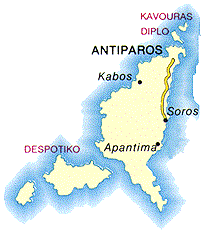
Antiparos is a charming island in the Cyclades, Greece, located just southwest of its larger neighbor, Paros
Known for its relaxed atmosphere, beautiful beaches, and crystal-clear waters, Antiparos offers a peaceful retreat with a touch of authentic Greek island life. The island is a hidden gem, perfect for those seeking a tranquil escape, yet easily accessible, making it an ideal destination on cruises in the Greek islands from Athens.
Antiparos Island Highlights
- Picturesque Chora: The main town, Chora, is a quintessential Cycladic village with whitewashed houses, narrow streets, and vibrant bougainvillea. The charming central square is lined with traditional tavernas, cafes, and boutiques, offering a laid-back atmosphere perfect for leisurely strolls.
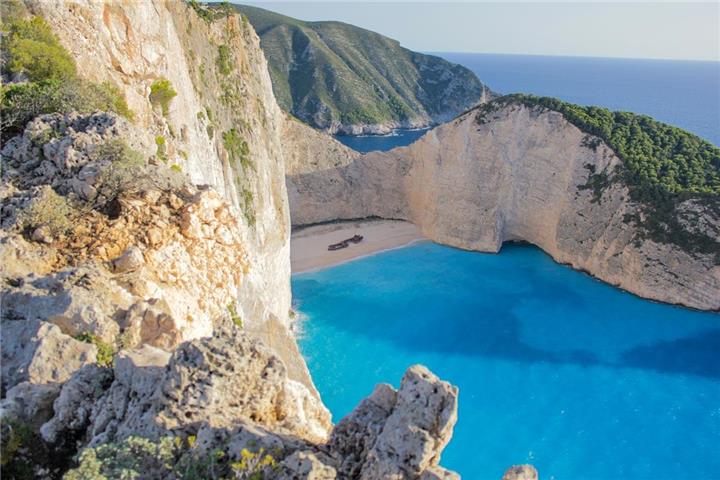
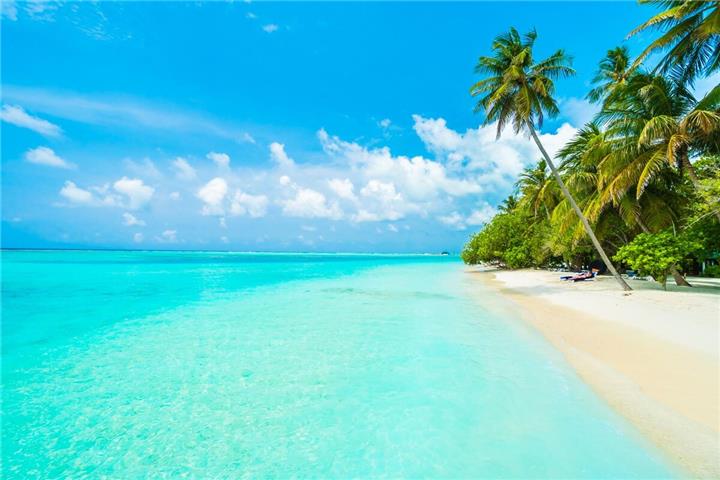
- Stunning Beaches: Antiparos is home to some of the most beautiful beaches in the Cyclades, known for their pristine sands and turquoise waters. Popular spots include Psaraliki Beach, Soros Beach, and the more secluded Faneromeni Beach, where visitors can unwind in the serene surroundings.
- Cave of Antiparos: One of the island’s most famous attractions is the Cave of Antiparos, a spectacular limestone cave adorned with impressive stalactites and stalagmites. The cave has been a site of historical significance for centuries, with inscriptions dating back to ancient times.
- Small Islets and Coves: Surrounding Antiparos are numerous small islets and hidden coves that are perfect for exploration by boat. These secluded spots offer crystal-clear waters ideal for swimming, snorkeling, and enjoying the untouched natural beauty of the Aegean Sea.
- Archaeological Interest: The island has a rich history, with ancient ruins such as the Sanctuary of Apollo on the nearby islet of Despotiko, which is accessible by boat. This site offers a fascinating glimpse into the ancient civilization that once thrived in the area.
Cruises in Greek Islands from Athens: Antiparos
Antiparos is an accessible and appealing destination on cruises in the Greek islands from Athens, often included in itineraries that explore the Cyclades.
- Accessibility: Antiparos is easily reached via a short ferry ride from the nearby island of Paros, which is itself just a few hours from Athens by ferry. This makes Antiparos an ideal stop on Greek island cruises that depart from the capital.
- Small Island Charm: Unlike some of the more crowded Cycladic islands, Antiparos offers a more intimate and relaxed experience, making it a perfect destination for cruisers seeking a quieter, more authentic Greek island vibe.
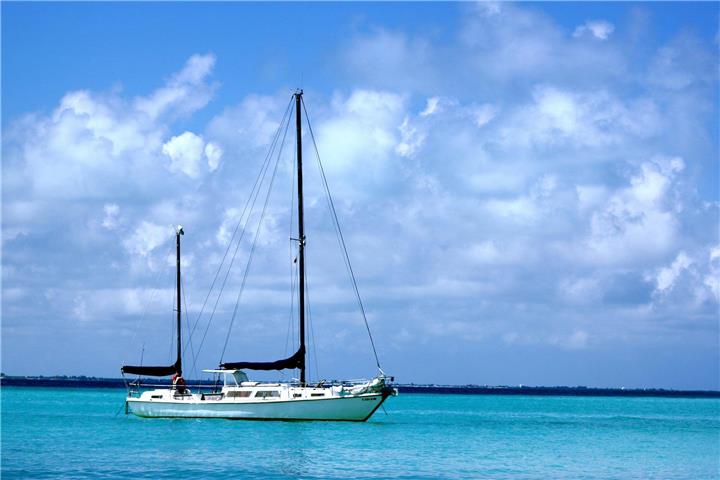
- Sailing and Island Hopping: Cruises in the Greek islands from Athens often include Antiparos as part of an island-hopping itinerary. After exploring Paros, cruisers can enjoy the more secluded beauty of Antiparos before continuing on to other Cycladic destinations like Naxos, Mykonos, or Santorini.
- Water Activities: The calm, clear waters around Antiparos are ideal for water sports such as snorkeling, kayaking, and paddleboarding. Many cruises offer the opportunity to explore the island’s hidden coves and underwater treasures.
- Cultural Exploration: While on a cruise that stops at Antiparos, visitors can explore the island’s cultural and historical sites, including the Cave of Antiparos and the archaeological sites on nearby islets. This adds a layer of depth to the serene natural beauty that the island is known for.
Keywords:
- Antiparos Island Greece
- Cruises in Greek Islands
- Greek Islands from Athens
- Cyclades Island Hopping
- Chora Antiparos
- Cave of Antiparos
- Pristine Beaches
- Secluded Coves
- Aegean Sea Cruises
Antiparos, with its picturesque village, stunning beaches, and tranquil atmosphere, is a perfect destination for those seeking a peaceful and authentic experience on cruises in the Greek islands from Athens. Whether exploring the island’s natural wonders, relaxing on its pristine beaches, or discovering its cultural heritage, Antiparos offers a serene and unforgettable stop on any Cycladic cruise itinerary.




 FAVORITES
 REVIEWS ALPHA YACHTING CHARTERS
 FAQS
FAQS